Blog
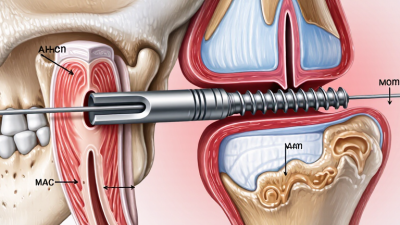
Why Use Cannulated ACL Interference Screws?
Choosing the right fixation method can influence graft stability after anterior cruciate ligament reconstruction. An ACL Interference Screw Cannulated is designed to secure the graft within the bone tunnel while allowing insertion over a guidewire. That small channel can improve directional control during placement. It may also help surgeons position the screw more predictably, especially when tunnel access is limited.
Freddie H. Fu, MD, a leading ACL reconstruction specialist, described the ligament clearly: “The ACL is not a single, static structure, but rather a dynamic, complex, and three-dimensional structure.” This view matters when discussing screw selection. Fixation is not an isolated step. Tunnel angle, graft tension, bone quality, screw diameter, and insertion depth all affect the result. A cannulated design can support controlled advancement, but it cannot correct a poorly positioned tunnel. That remains a surgical responsibility.
The screw should follow the guidewire smoothly. Excessive force may damage the graft or compromise the tunnel wall. Careful tactile feedback matters. So does imaging when uncertainty remains. Materials also deserve attention, including titanium and bioabsorbable options, because each presents different handling and follow-up considerations. No implant is perfect. Some cases expose limitations that are easy to miss in product descriptions.
For that reason, experienced surgeons evaluate the patient, graft type, tunnel anatomy, and fixation demands together. The best choice is not simply the newest screw. It is the option that offers reliable control, appropriate mechanical support, and a clear plan for managing possible complications.
Read more »
 By:Ethan
- October 22, 2026
By:Ethan
- October 22, 2026

Top Arthroscopy Implants Manufacturers for Global Buyers
The global arthroscopy implants market is gaining attention as hospitals seek less invasive procedures, faster recovery, and dependable implant performance. Industry reports support this direction. Grand View Research and Fortune Business Insights project steady growth in the broader arthroscopy and orthopedic devices sectors through the next decade, commonly estimating annual growth in the mid-single digits. However, market figures differ because reports classify anchors, screws, sutures, plates, and supporting instruments differently. The numbers are useful, but not absolute.
For global buyers, selecting top Arthroscopy Implants manufacturers requires more than comparing catalogs or unit prices. A reliable supplier should demonstrate ISO 13485 quality management, transparent material specifications, validated sterilization processes, and appropriate regulatory clearance for each target market. The U.S. FDA, European MDR framework, and other national authorities apply different evidence requirements. Buyers should verify them carefully. Product documentation matters.
In practical terms, a surgeon may need a small interference screw that remains stable during ligament reconstruction, while a hospital procurement team needs consistent batch records and predictable delivery. These needs are connected. A manufacturer with advanced machining but weak post-market support may still create operational risk. Conversely, a smaller producer may offer valuable flexibility, but require deeper audits.
No ranking is perfect. Manufacturing capacity, clinical evidence, complaint handling, and distributor support can change quickly. This guide compares leading manufacturers through those measurable factors, while recognizing an uncomfortable reality: public information is sometimes incomplete. Global buyers should confirm certifications, clinical data, lead times, and local registration before signing contracts. That extra step protects patients, budgets, and long-term supplier relationships.
Read more »
By:Ethan
- October 17, 2026
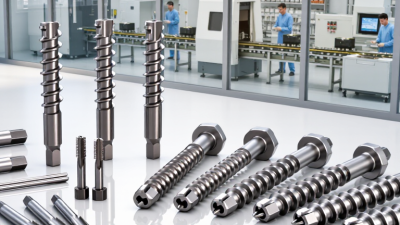
China Top 10 Spinal Pedicle Screw Manufacturers 2026
China’s spinal implant industry has expanded rapidly, supported by advanced machining, medical-grade materials, and increasingly capable quality systems. This guide, “China Top 10 Spinal Pedicle Screw Manufacturers 2026,” introduces companies involved in the design and production of Spinal Pedicle Screws for spinal fixation procedures. It considers manufacturing experience, engineering expertise, product documentation, quality certifications, and international service capabilities.
Clinical safety comes first. A reliable manufacturer should demonstrate controlled material sourcing, traceable production batches, validated sterilization processes, and consistent dimensional accuracy. Details matter: thread geometry, tulip design, rod compatibility, surface finish, and instrument fit can influence surgical handling. Real-world experience also deserves attention, because catalog claims may not reflect every hospital’s needs. Evidence helps.
The companies discussed here are not ranked solely by scale or marketing visibility. Their capabilities should be reviewed through regulatory records, technical files, independent audits, and surgeon feedback where available. Some manufacturers may offer strong customization but limited global support. Others may provide polished documentation while needing deeper clinical validation. That distinction is easy to miss.
This article aims to provide a practical, balanced starting point for hospitals, distributors, and medical device professionals evaluating Chinese suppliers in 2026. It does not replace regulatory review, clinical judgment, or supplier due diligence. Local requirements vary. Careful verification remains essential. Even experienced buyers can overlook small inconsistencies in certificates, packaging, or instrument compatibility. That is why meaningful comparison requires both technical scrutiny and direct communication with the manufacturer.
Read more »
By:Ethan
- October 12, 2026
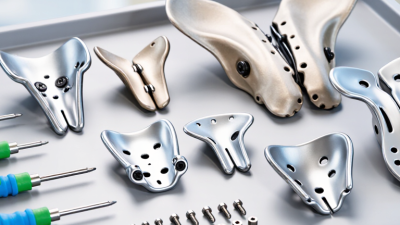
Top 10 Cervical Plate System Manufacturers?
Choosing among the Top 10 Cervical Plate System Manufacturers requires more than comparing product catalogs. A cervical plate is a small device, yet its design can influence screw control, construct stability, surgical visibility, and postoperative assessment. This guide examines manufacturers through practical and clinical considerations, including system geometry, material selection, locking mechanisms, instrumentation, imaging compatibility, and published evidence. The discussion focuses on how each company supports surgeons during real procedures, from plate contouring to screw insertion in a narrow cervical field.
Experience matters here. A technically attractive Cervical Plate System may still create difficulties if instruments feel awkward or sizing options are limited. Hospitals also need dependable supply, transparent documentation, training resources, and responsive technical support. Regulatory clearances and quality certifications remain essential, but they do not automatically prove superior clinical performance. That distinction deserves attention.
No ranking can fit every surgical team. Patient anatomy, procedure level, revision risk, and surgeon preference may change the final choice. Some manufacturers demonstrate strong innovation, while others offer broader access or simpler workflows. The available evidence is not always equally detailed, and marketing language can sometimes outpace independent research. That limitation should not be ignored.
This overview presents the leading manufacturers with a balanced perspective. It considers reputation, engineering capability, clinical adoption, product consistency, and long-term reliability. Readers should still verify current approvals, peer-reviewed data, and local purchasing requirements before making decisions. The best system is not always the newest one. It is the one that performs predictably when precision matters most.
Read more »
By:Ethan
- October 7, 2026
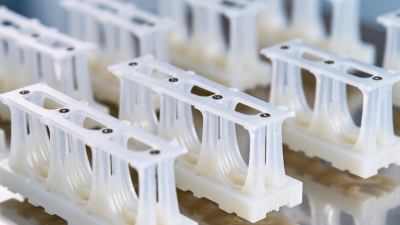
2026 Best Anterior Cervical Cage PEEK Suppliers?
Choosing the best Anterior Cervical Cage PEEK supplier in 2026 requires more than comparing prices or product photographs. Hospitals and spine specialists need evidence, manufacturing consistency, and dependable technical support. This guide introduces the key factors behind a responsible supplier evaluation.
A reliable supplier should provide clear material specifications, validated production processes, and traceable quality records. Medical-grade PEEK should be supported by documented testing, not vague claims. Evidence matters. Product design also deserves close attention, including cage geometry, graft windows, radiographic markers, and endplate contact surfaces. Small details can influence handling during surgery and postoperative assessment.
Clinical experience adds another layer. Experienced surgeons often notice practical differences that brochures overlook, such as insertion control, visibility under imaging, and compatibility with instrumentation. Supplier support should include accurate instructions, responsive communication, and consistent availability across regions. Regulatory documentation must be current and appropriate for the intended market.
However, no supplier ranking can replace independent clinical judgment. A polished catalog may conceal limited long-term evidence. That deserves caution. Cost, delivery speed, and customization may appear attractive, yet they should never outweigh verified quality and patient safety. This review therefore compares leading 2026 suppliers through a balanced lens, combining technical performance, manufacturing credibility, clinical relevance, and transparent documentation. The “best” choice may differ between a high-volume hospital, a specialist clinic, and a distributor. Fit is never universal. Readers should verify current certifications, published evidence, and local requirements before making a procurement decision.
Read more »
 By:Amelia
- October 2, 2026
By:Amelia
- October 2, 2026
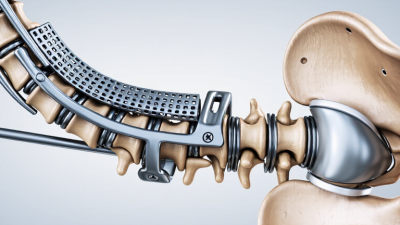
What Are the Top Spine Implant Types in 2026?
In 2026, “top” Spine Implants are not simply the newest devices or the ones with the most advanced materials. The right choice depends on the diagnosis, spinal level, bone quality, symptoms, and treatment goals. A compact titanium screw may anchor a fusion, while an interbody cage supports the space between vertebrae. Cervical plates, artificial discs, and vertebral body replacement devices serve different clinical needs. They are not interchangeable.
Spine researcher Dr. Richard Deyo’s work offers an important caution: more invasive treatment does not automatically mean better care. That is a paraphrase of his evidence-focused perspective, not a direct quotation. Keep that distinction in mind. Implant selection should follow careful assessment and discussion of expected benefits, risks, and alternatives—not a trend or a product label.
This overview compares common implant categories, including pedicle screw-and-rod systems, interbody cages, cervical fixation devices, and artificial discs. It also explains how materials such as titanium and PEEK can affect design and surgical use. A device that works well for one patient may be unsuitable for another. Even small details matter, from a cage’s footprint on the vertebral endplate to the level of support needed after surgery. Evidence also changes over time, and not every new design has long-term results. That uncertainty deserves attention. The goal is a clear, practical guide to what these implants do, where they may fit, and which questions patients can raise with a qualified spine specialist.
Read more »
By:Ethan
- September 27, 2026
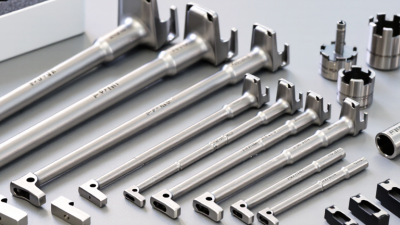
Top PFN Instrument Set Manufacturers for Global Buyers
Choosing reliable PFN Instrument Set manufacturers requires more than comparing catalog images or quoted prices. Global buyers need evidence of consistent engineering, documented quality controls, and dependable communication. A PFN instrument set should support accurate proximal femoral nail procedures, with handles, targeting guides, sleeves, awls, drill guides, and extraction tools fitting together precisely. Small alignment errors can affect the entire surgical workflow.
This introduction reviews manufacturers that serve international orthopedic markets. The evaluation considers material selection, machining accuracy, surface finishing, inspection records, packaging, and after-sales support. ISO 13485 certification, applicable regulatory documentation, traceability, and sterilization compatibility also deserve close attention. Experienced suppliers usually provide drawings, tolerance information, sample approval, and clear responses to technical questions. These details matter when instruments travel across borders and enter demanding hospital environments.
No supplier is perfect. A polished catalog can still hide inconsistent tolerances, delayed replacement parts, or weak communication after shipment. Buyers should request production samples and verify critical dimensions before placing large orders. It is also wise to confirm whether the manufacturer supports private labeling, custom trays, reusable instrument maintenance, and regional compliance requirements. This guide aims to help procurement teams compare credible options with practical judgment. The comparison is not flawless. Manufacturing capacity, certifications, and service quality can change over time. Careful verification remains essential before approval.
Read more »
 By:Clara
- September 22, 2026
By:Clara
- September 22, 2026
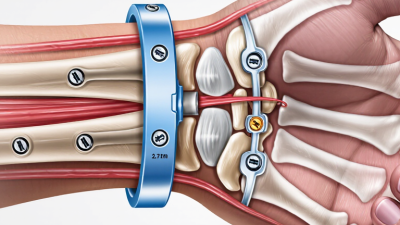
How to Select a 2.7mm LCP Distal Radius Volar Rim Plate
Selecting a 2.7mm LCP Distal Radius Volar Rim Plate requires more than matching a plate to a radiograph. The volar rim is small, irregular, and close to important tendons and neurovascular structures. A suitable implant should follow the patient’s anatomy without excessive prominence. It should also support the specific fracture fragments that need control.
Careful planning begins with high-quality imaging, often including computed tomography for complex intra-articular fractures. The surgeon should assess fragment size, displacement, bone quality, watershed-line position, and the planned screw trajectories. Plate width, contour, hole arrangement, and available locking options also matter. A compact plate may improve rim capture, but limited space can complicate screw placement. More coverage is not always better. It may increase soft-tissue irritation if the plate sits too distally or does not match the bone.
Practical selection benefits from experience with reduction techniques, instrumentation, and postoperative follow-up. The manufacturer’s surgical technique and approved indications should guide final decisions. A checklist helps, but it is not infallible. Even experienced teams can overlook a small lunate facet fragment or an unsuitable screw angle. Intraoperative fluoroscopy, direct assessment of plate fit, and attention to tendon clearance remain essential. The best choice balances fixation strength, fragment-specific control, anatomical fit, and soft-tissue safety. This article outlines the main factors for making that decision carefully, while recognizing that every wrist presents different challenges.
Read more »
By:Amelia
- September 17, 2026

How to Choose Locking Plates for Fracture Fixation?
Choosing Locking Plates for Fracture Fixation requires more than selecting the strongest implant. It requires reading the fracture, the patient, and the surrounding soft tissue together. A comminuted distal femur fracture may need a long lateral plate, while a simple metaphyseal fracture may benefit from a shorter construct. Bone quality also matters. Osteoporotic bone can demand multiple locking screws, careful plate positioning, and controlled working length. Stronger is not always better.
Orthopedic trauma expert Dr. Michael Wagner stated, “A locking plate is not a substitute for reduction.” This principle remains highly practical in the operating room. A plate cannot correct an overlooked gap, rotation, or unacceptable alignment. Surgeons should assess preoperative radiographs and CT images, then confirm length, axis, and rotation during fixation. The chosen plate must match the anatomy without excessive soft-tissue disruption. Screw density deserves attention too. Filling every hole may create an overly rigid construct and limit useful interfragmentary motion.
The details are tangible: a plate sitting too close to the joint, a screw entering the fracture line, or a missed cortical defect can change the outcome. Small errors matter. Yet implant selection is not perfectly predictable. Patient activity, fracture biology, surgical access, and available instruments can alter the plan. Careful judgment remains essential. The best Locking Plates for Fracture Fixation strategy balances stability with biology, supports healing, and leaves room for thoughtful revision when conditions change.
Read more »
By:Clara
- September 11, 2026

China Best Trauma Implants Supplier for Global Buyers
Choosing the China Best Trauma Implants Supplier for Global Buyers requires more than comparing prices. Hospitals and distributors need dependable implants, clear documentation, and responsive technical support. A suitable supplier should demonstrate experience with plates, screws, intramedullary nails, external fixation systems, and related instruments. Materials matter too. Titanium and stainless steel must meet declared specifications, with consistent dimensions and surface finishes.
Orthopaedic trauma expert Prof. Dr. Reinhold Ganz offers a practical principle: “Respect the biology of the fracture.” This idea remains important when evaluating Trauma Implants. Product design should support stable fixation while limiting unnecessary tissue damage. Buyers should review manufacturing controls, sterilization processes, packaging integrity, batch traceability, and quality records. ISO 13485 certification can provide useful evidence, but certification alone does not prove clinical performance.
Details reveal reliability. Ask for material certificates, test reports, product drawings, and regulatory documents. Check whether instruments fit accurately in the operating room. Confirm how the supplier handles complaints, revisions, and urgent replacement orders. A promising catalogue is not enough.
No supplier is perfect.
A low quotation may look attractive. It may also conceal weak inspection or delayed support. Global buyers should assess communication, delivery history, and post-sale cooperation. Factory audits, sample reviews, and independent verification can reduce uncertainty. Still, judgment is required. Even a well-organized supplier may have gaps in documentation or regional compliance knowledge. This guide examines those practical issues and explains how buyers can select China-made Trauma Implants with greater confidence, transparency, and clinical responsibility.
Read more »
By:Amelia
- September 11, 2026

How to Choose the Best Orthopedic Implants Manufacturer?
Choosing the right Orthopedic Implants Manufacturer can influence patient safety, surgical outcomes, and long-term clinical confidence. The decision deserves more than a polished website or a low quotation. It requires careful review of manufacturing experience, material control, product consistency, and documented quality systems.
Look for evidence, not promises. Ask whether the manufacturer follows recognized standards, such as ISO 13485, and maintains clear production records. Request information about titanium or cobalt-chromium grades, surface treatments, sterilization processes, and dimensional inspections. Reliable manufacturers should explain how each implant moves from design approval to final shipment. Traceability matters. So does communication.
Clinical experience adds another layer of confidence. A capable supplier should provide relevant product data, surgeon feedback, and responsive technical support. Factory audits can reveal details that brochures often hide, including cleanliness, equipment maintenance, staff training, and packaging controls. Delivery performance also matters when operating schedules are tight.
No manufacturer is perfect. Samples may look excellent while service remains inconsistent. A familiar brand can still fail to meet every hospital’s needs. That requires honest comparison. Price matters, but it should never replace risk assessment. Review complaints, corrective actions, warranty terms, and regulatory documentation before signing an agreement. Speak with existing customers when possible. Their experience may expose delays or strengths that formal documents cannot show.
The best choice combines verified expertise, transparent processes, dependable communication, and continuous improvement. A thoughtful evaluation protects both clinical teams and the patients they serve.
Read more »
By:Ethan
- September 11, 2026