0%

Choosing reliable PFN Instrument Set manufacturers requires more than comparing catalog images or quoted prices. Global buyers need evidence of consistent engineering, documented quality controls, and dependable communication. A PFN instrument set should support accurate proximal femoral nail procedures, with handles, targeting guides, sleeves, awls, drill guides, and extraction tools fitting together precisely. Small alignment errors can affect the entire surgical workflow.

This introduction reviews manufacturers that serve international orthopedic markets. The evaluation considers material selection, machining accuracy, surface finishing, inspection records, packaging, and after-sales support. ISO 13485 certification, applicable regulatory documentation, traceability, and sterilization compatibility also deserve close attention. Experienced suppliers usually provide drawings, tolerance information, sample approval, and clear responses to technical questions. These details matter when instruments travel across borders and enter demanding hospital environments.

No supplier is perfect. A polished catalog can still hide inconsistent tolerances, delayed replacement parts, or weak communication after shipment. Buyers should request production samples and verify critical dimensions before placing large orders. It is also wise to confirm whether the manufacturer supports private labeling, custom trays, reusable instrument maintenance, and regional compliance requirements. This guide aims to help procurement teams compare credible options with practical judgment. The comparison is not flawless. Manufacturing capacity, certifications, and service quality can change over time. Careful verification remains essential before approval.
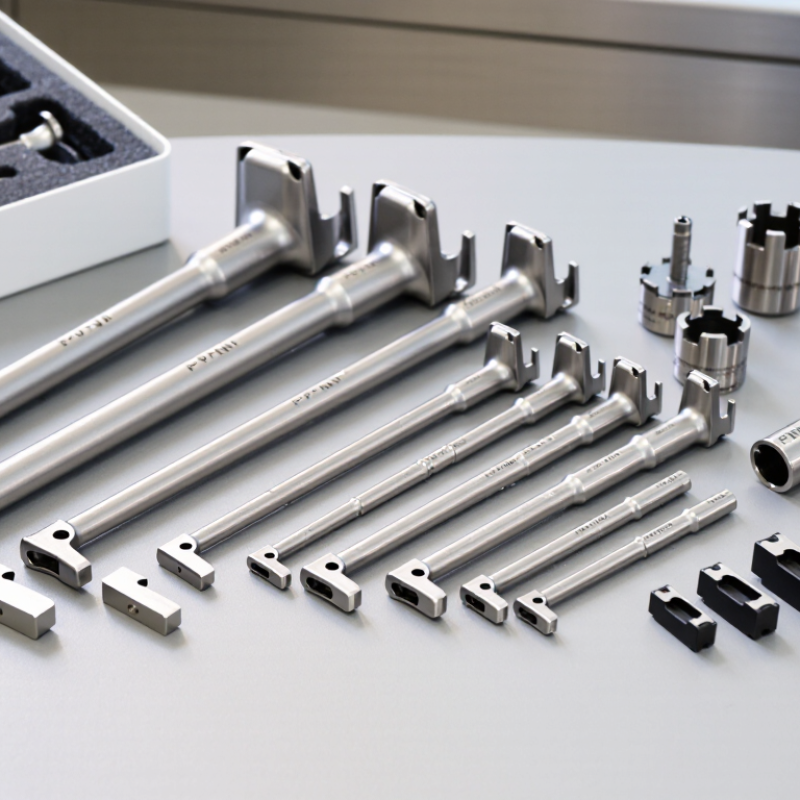
Top PFN Instrument Set Manufacturers for Global Buyers

What Is a PFN Instrument Set and Where Is It Used?

Top PFN Instrument Set Manufacturers for Global Buyers

What Is a PFN Instrument Set and Where Is It Used?

A PFN instrument set is a specialized collection of surgical tools for proximal femoral nailing. PFN commonly refers to proximal femoral nail fixation. Surgeons use this method to stabilize selected fractures near the hip and upper femur.

The set usually includes a targeting guide, guide wires, awls, reamers, drill sleeves, depth gauges, and screwdrivers. Some sets also contain extraction instruments for later clinical needs. These tools help align the nail and place locking screws with controlled accuracy. The procedure is normally performed in an operating room with imaging support. Sterile processing teams must clean, inspect, and sterilize every instrument according to approved protocols.

Use depends on fracture pattern, patient anatomy, and the surgeon’s chosen technique. A complete-looking set may still lack a useful size or a compatible sleeve. That limitation deserves review. Global buyers should examine material quality, surface finishing, dimensional consistency, and instrument traceability. Clear instructions and responsive technical support also reduce avoidable operating-room delays.

The fit matters. Instrument compatibility must match the implant system and local clinical workflow. Buyers can request inspection records, validation documents, packaging details, and sample evaluations before purchasing. Manufacturing experience is valuable, but it should not replace evidence. Terminology may vary between hospitals and regions, so specifications need careful confirmation. Small differences in guide alignment can affect usability, and this point is sometimes underestimated.

Key Features and Components of Professional PFN Instrument Sets

Top PFN Instrument Set Manufacturers for Global Buyers

Professional PFN instrument sets support accurate proximal femoral nail placement during orthopedic procedures. A dependable set usually includes an insertion handle, targeting jig, guide wires, awls, reamers, depth gauges, and screwdrivers. Nail-specific sleeves help maintain alignment and protect surrounding tissue. Extraction tools are also important when revision work becomes necessary.

Experienced surgical teams inspect each instrument before use. Handles should feel balanced, while locking mechanisms must engage without excessive force. Laser markings should remain readable after repeated cleaning. Trays need clear layouts, secure holders, and drainage space. Stainless steel construction is common, but surface quality still requires attention. Small burrs can affect handling. One overlooked component can delay a procedure.

Tips: Check compatibility with the intended nail system, screw sizes, and operating table workflow. Request dimensional drawings, material details, cleaning instructions, and sample inspection records from manufacturers. Test the tray with gloved hands; crowded compartments often look acceptable on paper but feel awkward in practice. No set is perfect. Regular feedback from surgeons and sterile-processing staff can reveal practical weaknesses that laboratory checks miss. Packaging should also protect delicate tips during international transport.

How PFN Instrument Set Manufacturers Design and Produce Their Products

PFN instrument set manufacturers begin with anatomy, surgical workflow, and measurable risks. The World Health Organization reports that musculoskeletal conditions affect about 1.71 billion people worldwide. This demand pushes manufacturers to design reliable tools for varied femoral shapes, operating rooms, and surgical experience levels.

Design teams usually combine surgeon interviews, anatomical models, and simulated procedures. A typical set may include guidewires, depth gauges, cannulated drills, targeting arms, insertion handles, and extraction tools.

Clear laser markings help staff identify sizes quickly. Textured handles improve control when gloves are wet. Some manufacturers use computer-aided design and finite element analysis before producing prototypes. The details matter.

Production often uses medical-grade stainless steel or titanium, followed by CNC machining, deburring, passivation, and dimensional inspection. Manufacturers also test cleaning access, corrosion resistance, fatigue performance, and tray organization.

ISO 13485 supports documented quality systems, while ISO 14971 guides risk management throughout the product life cycle. A 2023 industry report from Fortune Business Insights identified trauma and orthopedic devices as a growing medical-device segment, linked partly to aging populations and injury treatment demand. Yet growth does not guarantee quality. A guide can fit perfectly in testing and feel awkward in a real surgical field. Manufacturers should repeat simulated-use evaluations with different clinicians, not rely only on laboratory measurements. Small oversights remain possible.

Top PFN Instrument Set Manufacturers Serving Global Buyers

Global buyers need PFN instrument set manufacturers with proven control, not only attractive pricing. The Grand View Research Orthopedic Trauma Devices Market Report estimated the sector at over USD 9 billion in 2023. It also projects steady growth through 2030. This growth increases demand for dependable proximal femoral nail tools. Manufacturers should demonstrate ISO 13485 certification, traceable materials, and consistent inspection records. Product files should clearly define drill guides, targeting arms, reamers, and extraction tools.

The International Osteoporosis Foundation reports that osteoporosis causes more than 8.9 million fractures worldwide each year. This figure shows why reliable trauma instrumentation matters in busy hospitals. Global buyers should review sterilization instructions, corrosion resistance, handle balance, and compatibility with selected nail systems. A factory audit can reveal details that a catalog misses. Check packaging strength, surface finishing, and replacement lead times. One weakness remains: public market reports rarely separate PFN instrument sets from broader trauma devices. Procurement decisions therefore need careful technical verification.

Tips: Request sample sets and measurement reports before approval. Compare joint tolerances, not just unit prices. Ask for complaint data and corrective-action records. Confirm language support for manuals and training. A low quote may hide limited service capacity. That risk deserves attention.

How Global Buyers Can Evaluate PFN Instrument Suppliers

Global buyers should evaluate PFN instrument set suppliers through evidence, not polished catalog images. The WHO Global Patient Safety Report 2024 estimates that one in ten patients experiences harm in healthcare, with more than half considered preventable. Instrument reliability therefore deserves direct scrutiny. Request ISO 13485 certification, recent audit findings, material certificates, sterilization guidance, and lot-level traceability. A credible supplier should explain stainless-steel grades, surface finishing, corrosion testing, and dimensional tolerances in plain language. Ask for samples, then inspect locking sleeves, targeting guides, and reamers under simulated operating conditions. Small alignment errors can become serious during a time-sensitive procedure.

Supplier evaluation should also include practical service data. Review complaint rates, corrective-action records, replacement lead times, and training support across your region. The WHO and World Bank emphasize that safe surgical systems depend on dependable equipment, trained staff, and resilient supply chains. However, a certification alone proves limited capability. I have seen technically attractive sets create delays because cases were incomplete or labels were unclear. That weakness is easy to miss. Compare at least three quotations using the same checklist, including packaging integrity, sterilization compatibility, spare-part availability, and delivery performance. Confirm whether the supplier can provide change notifications and maintain consistent specifications over several production batches. Independent laboratory verification is worthwhile when claims appear unusually broad. Cost matters, but the lowest purchase price may hide higher rework, downtime, and training expenses. ઉપલ

FAQS

What should a professional PFN instrument set usually include?

It should include an insertion handle, targeting jig, guide wires, awls, reamers, depth gauges, and screwdrivers. Nail-specific sleeves help maintain alignment and protect nearby tissue. Extraction tools support later revision procedures.

How can surgical teams inspect instruments before use?

Check handle balance, locking action, readable markings, and surface quality. Locking mechanisms should engage smoothly. Small burrs can affect handling. One overlooked part may delay surgery.

Why is tray design important?

Trays need clear layouts, secure holders, and drainage space. Test the tray with gloved hands. Crowded compartments may appear acceptable on paper but feel awkward during use. That difference is easy to miss.

How should buyers confirm instrument compatibility?

Match the set with the intended nail system, screw sizes, and operating table workflow. Request dimensional drawings and material details. Confirm cleaning instructions and sample inspection records. Compatibility should not rely on photographs alone.

What documents should a supplier provide?

Request quality-system certification, recent audit findings, material certificates, sterilization guidance, and lot-level traceability. The supplier should explain steel grades, surface finishing, corrosion testing, and tolerances clearly. Vague answers deserve closer review.

How can buyers test a supplier’s actual product quality?

Request samples and inspect targeting guides, locking sleeves, and reamers under simulated conditions. Check alignment, markings, movement, and tip protection. Small errors can become serious during time-sensitive procedures. Testing is not perfect, though.

Which service factors should global buyers compare?

Review complaint rates, corrective-action records, replacement lead times, regional training, and spare-part availability. Also check packaging integrity and delivery performance. Compare at least three quotations using the same checklist.

Is certification alone enough when selecting an instrument supplier?

No. Certification shows limited evidence of capability. Incomplete sets, unclear labels, or inconsistent batches can still create delays. Ask for change notifications and independent laboratory verification when claims seem unusually broad. Low price can hide rework, downtime, and training costs.

Conclusion

A PFN Instrument Set is a specialized collection of surgical tools used to support the insertion, positioning, and removal of proximal femoral nails during orthopedic procedures for selected femoral fractures. A professional set typically includes targeting guides, drill sleeves, guide wires, depth gauges, reamers, insertion handles, extraction tools, and fixation accessories. Each component should be designed for accurate alignment, reliable handling, compatibility with the intended implant system, and efficient operating-room workflow.

Leading PFN Instrument Set manufacturers serving global buyers generally focus on precision machining, durable medical-grade materials, ergonomic design, and strict quality control throughout production. They may offer standardized or customized configurations, validated cleaning and sterilization guidance, traceability, and packaging suitable for international distribution. When evaluating suppliers, buyers should review technical documentation, manufacturing capabilities, quality certifications, product testing, customization support, delivery reliability, after-sales service, and compliance with the regulations of the target market. A careful comparison helps hospitals and distributors select safe, consistent, and cost-effective instrument solutions.

Clara

Clara

Clara is a seasoned marketing professional with a strong understanding of customer needs, market trends, and product strategy. As a key member of the company’s communications team, she regularly updates the corporate website with practical, insightful blog articles that help readers make informed......