Choosing the right fixation method can influence graft stability after anterior cruciate ligament reconstruction. An ACL Interference Screw Cannulated is designed to secure the graft within the bone tunnel while allowing insertion over a guidewire. That small channel can improve directional control during placement. It may also help surgeons position the screw more predictably, especially when tunnel access is limited.
Freddie H. Fu, MD, a leading ACL reconstruction specialist, described the ligament clearly: “The ACL is not a single, static structure, but rather a dynamic, complex, and three-dimensional structure.” This view matters when discussing screw selection. Fixation is not an isolated step. Tunnel angle, graft tension, bone quality, screw diameter, and insertion depth all affect the result. A cannulated design can support controlled advancement, but it cannot correct a poorly positioned tunnel. That remains a surgical responsibility.
The screw should follow the guidewire smoothly. Excessive force may damage the graft or compromise the tunnel wall. Careful tactile feedback matters. So does imaging when uncertainty remains. Materials also deserve attention, including titanium and bioabsorbable options, because each presents different handling and follow-up considerations. No implant is perfect. Some cases expose limitations that are easy to miss in product descriptions.
For that reason, experienced surgeons evaluate the patient, graft type, tunnel anatomy, and fixation demands together. The best choice is not simply the newest screw. It is the option that offers reliable control, appropriate mechanical support, and a clear plan for managing possible complications.
What Are Cannulated ACL Interference Screws?
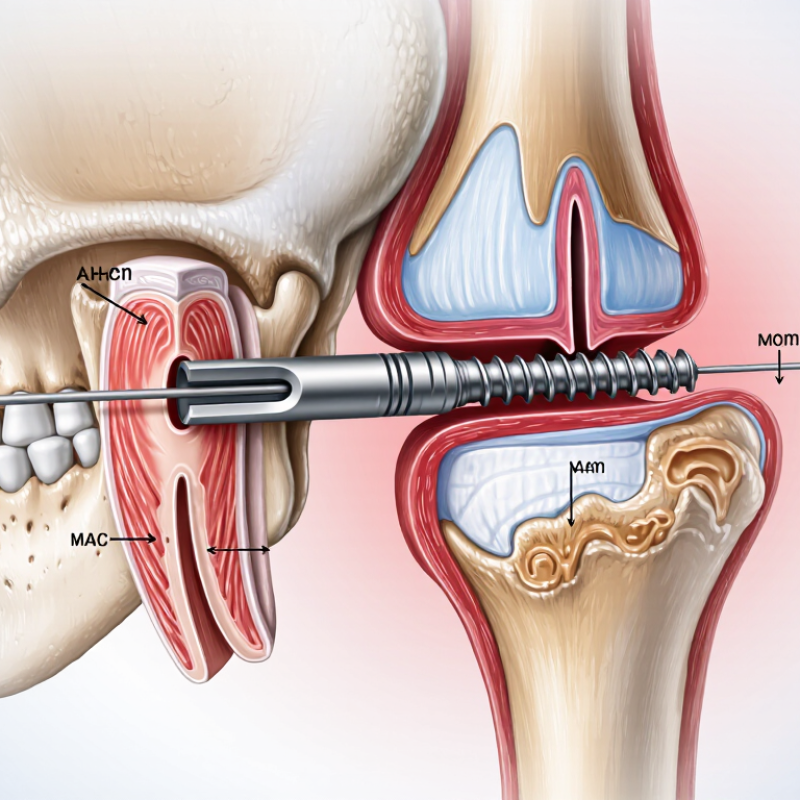
Cannulated ACL interference screws are hollow fixation devices used during anterior cruciate ligament reconstruction. Their central channel accepts a guidewire, helping the surgeon position the screw along the bone tunnel. The screw then compresses the graft against the tunnel wall. This creates initial fixation while biological healing develops. Simple, but important.
The design supports controlled placement in femoral and tibial tunnels. A guidewire can reduce wandering during insertion, especially when tunnel angles are difficult. Screw materials may include metal or bioabsorbable polymers. Each option has different handling, imaging, and degradation characteristics. Cannulation does not automatically mean stronger fixation. Graft type, tunnel quality, screw diameter, and surgical technique still matter.
The 2022 American Academy of Orthopaedic Surgeons Clinical Practice Guideline does not identify one interference screw design as universally superior. That position reflects a broad evidence review rather than marketing language. Registry reports also show that ACL revision risk depends on several factors, including patient activity, graft choice, and tunnel position. The Swedish National Knee Ligament Register has followed tens of thousands of reconstructions, reinforcing the value of long-term outcome tracking. In practice, the hollow channel can make placement more predictable, but it cannot correct a poorly planned tunnel. That limitation deserves attention. A screw may look precise on the instrument table, yet fixation remains patient-specific. Surgeons should evaluate imaging, bone density, graft tension, and the manufacturer’s validated insertion instructions before choosing the device.
Why Use Cannulated ACL Interference Screws? - What Are Cannulated ACL Interference Screws?
| Data Dimension | Evidence-Based Description | Practical Relevance in ACL Reconstruction |
|---|---|---|
| Definition | A cannulated ACL interference screw is a threaded fixation device with a central hollow channel. It is used to secure a tendon or bone–tendon graft inside a prepared bone tunnel. | The screw provides fixation at the tunnel aperture or along the tunnel wall while the graft heals to the surrounding bone. |
| Meaning of “Cannulated” | “Cannulated” means that the screw contains a longitudinal central channel designed to accept a guidewire or guide pin during insertion. | The guidewire helps maintain the intended trajectory and can make screw placement more controlled, especially in a constrained bone tunnel. |
| Primary Purpose | The screw compresses the graft against the tunnel wall and resists graft migration during the early healing period. | Adequate fixation supports initial knee stability while biological incorporation develops. |
| Common Fixation Locations | Interference screws are commonly used in the femoral tunnel, tibial tunnel, or both, depending on the reconstruction technique and graft type. | Tunnel position, graft choice, bone quality, and the surgeon’s fixation strategy influence the selected location. |
| Typical Graft Compatibility | They may be used with bone–patellar tendon–bone grafts and soft-tissue grafts, including hamstring or quadriceps tendon grafts, when the tunnel and fixation technique are appropriate. | The presence or absence of a bone plug affects how the graft is positioned and how fixation is achieved. |
| Common Materials | Materials include metallic alloys such as titanium or stainless steel, as well as bioabsorbable or resorbable polymers and composite materials. Material availability varies by device and region. | Material selection can affect radiographic visibility, later revision planning, handling characteristics, and the potential for material-related complications. |
| Why Use a Guidewire? | A guidewire can act as a central rail for the cannulated screw, helping the screw follow a previously established path during advancement. | This may improve directional control and reduce the risk of placing the screw outside the intended tunnel trajectory. |
| Potential Advantages | Potential advantages include controlled insertion over a guidewire, compatibility with minimally invasive techniques, direct graft compression, and availability in different diameters, lengths, thread profiles, and materials. | The benefits depend on correct tunnel preparation, accurate screw sizing, appropriate graft tension, and careful surgical technique. |
| Cannulated vs. Solid Screw | A cannulated screw can be advanced over a guidewire, whereas a solid screw does not have a central guidewire channel. Both designs can provide interference fixation when used correctly. | Cannulation is an insertion and guidance feature; it does not by itself guarantee stronger fixation or better clinical outcomes. |
| Size Selection | Diameter and length are selected according to tunnel dimensions, graft size, bone quality, tunnel location, and the specific fixation system. There is no single universal size for every ACL reconstruction. | A screw that is too large, too long, or incorrectly positioned may damage the graft, joint surface, tunnel wall, or nearby structures. |
| Mechanical Role | Fixation depends on factors such as screw–bone contact, thread engagement, graft compression, bone density, tunnel geometry, and insertion torque. | The screw is only one part of the fixation construct; graft preparation and tunnel placement are also critical. |
| Imaging Considerations | Metallic screws are generally visible on radiographs, while some polymer-based screws may be less radiopaque and may be assessed through their markers, tunnel changes, or cross-sectional imaging. | Imaging characteristics may influence postoperative assessment and planning for revision surgery. |
| Potential Limitations | Possible concerns include graft laceration, screw breakage, migration, tunnel widening, fixation loss, inflammatory reactions, infection, and difficulty with later hardware removal or revision. | These risks are influenced by device design, material, surgical technique, patient anatomy, bone quality, and rehabilitation. |
| Clinical Decision Factors | Important factors include graft type, tunnel position, tunnel size, bone quality, planned rehabilitation, material preference, imaging needs, and the possibility of future revision. | The final choice should be made by a qualified orthopedic surgeon using the patient’s anatomy and the instructions for use of the selected device. |
| Overall Takeaway | Cannulated ACL interference screws combine threaded graft fixation with guidewire-assisted insertion. They are designed to provide controlled placement and secure graft fixation, but their performance depends on the complete reconstruction technique. | Cannulation can improve procedural control, but correct tunnel creation, screw selection, graft handling, and postoperative care remain essential. |
Note: Device specifications, indications, contraindications, and available sizes vary by manufacturer and jurisdiction. This table is for general educational purposes and is not a substitute for professional medical advice.
FAQS
It has a hollow center for guidewire placement. The wire helps guide the screw through the prepared bone tunnel.
It may improve screw alignment and control during insertion. The screw compresses the graft against the tunnel wall.
Guided advancement may reduce unnecessary tunnel widening. It cannot correct a poorly positioned tunnel or weak bone.
No. Current evidence does not show one design is best for every reconstruction. Technique still matters greatly.
Screw diameter and length should match the graft and tunnel. An oversized screw may damage fibers or fragile bone.
Weak bone may provide limited purchase. Excessive torque can split the tunnel or damage the implant.
Confirm tunnel length and diameter before insertion. Keep the guidewire stable and check its position during advancement.
Excessive tightening may harm the graft or bone. Insufficient tightening may allow micromotion. Neither result is ideal.
Metallic and bioabsorbable materials have different practical features. The best choice depends on imaging needs, bone quality, and revision planning.
Pause and reassess the guidewire, tunnel axis, and graft. Do not force the screw. Small errors can matter.
Conclusion
Cannulated ACL interference screws are fixation devices used during anterior cruciate ligament reconstruction to secure a tendon graft within a bone tunnel. Their hollow design allows a guide wire to support accurate positioning and controlled insertion, which can help the surgeon align the screw with the graft and tunnel while reducing unnecessary disturbance to surrounding tissue. The ACL Interference Screw Cannulated concept is especially useful when precise trajectory and dependable graft compression are important.
These screws may be considered in procedures using bone-tendon or soft-tissue grafts, depending on tunnel preparation, graft type, and the surgeon’s preferred technique. Potential benefits compared with solid screws include guided placement, improved access in challenging tunnel orientations, and more consistent control during insertion. However, screw selection should consider material, diameter, length, thread design, graft characteristics, bone quality, and tunnel dimensions. Careful planning and proper surgical placement remain essential for stable fixation and successful ACL reconstruction.