0%

China’s spinal implant industry has expanded rapidly, supported by advanced machining, medical-grade materials, and increasingly capable quality systems. This guide, “China Top 10 Spinal Pedicle Screw Manufacturers 2026,” introduces companies involved in the design and production of Spinal Pedicle Screws for spinal fixation procedures. It considers manufacturing experience, engineering expertise, product documentation, quality certifications, and international service capabilities.

Clinical safety comes first. A reliable manufacturer should demonstrate controlled material sourcing, traceable production batches, validated sterilization processes, and consistent dimensional accuracy. Details matter: thread geometry, tulip design, rod compatibility, surface finish, and instrument fit can influence surgical handling. Real-world experience also deserves attention, because catalog claims may not reflect every hospital’s needs. Evidence helps.

The companies discussed here are not ranked solely by scale or marketing visibility. Their capabilities should be reviewed through regulatory records, technical files, independent audits, and surgeon feedback where available. Some manufacturers may offer strong customization but limited global support. Others may provide polished documentation while needing deeper clinical validation. That distinction is easy to miss.

This article aims to provide a practical, balanced starting point for hospitals, distributors, and medical device professionals evaluating Chinese suppliers in 2026. It does not replace regulatory review, clinical judgment, or supplier due diligence. Local requirements vary. Careful verification remains essential. Even experienced buyers can overlook small inconsistencies in certificates, packaging, or instrument compatibility. That is why meaningful comparison requires both technical scrutiny and direct communication with the manufacturer.
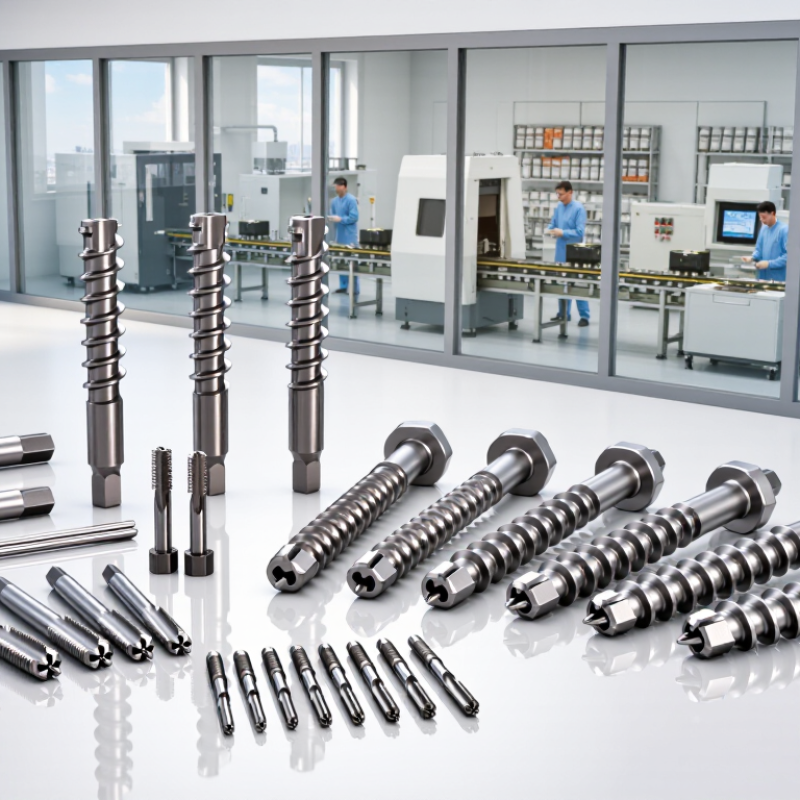
China Top 10 Spinal Pedicle Screw Manufacturers 2026

2026 Market Scope: China’s Spinal Fixation Industry and CAGR Benchmarks

China’s spinal fixation market is entering a more measured growth phase in 2026. Demand is supported by an aging population, rising spinal procedures, and wider access to regional hospitals. Clinical teams increasingly compare screw geometry, rod strength, imaging compatibility, and insertion feedback. Small design details matter during difficult anatomy.

Market forecasts commonly place China’s spinal fixation CAGR in the mid-to-high single digits through the early 2030s. A practical benchmark is approximately 6% to 9% annually, depending on the product category and research method. These figures are estimates, not guarantees. Public hospital purchasing, reimbursement adjustments, raw material costs, and surgeon training can change the curve quickly.

The top ten manufacturer landscape should therefore be assessed through more than sales volume. Useful indicators include regulatory documentation, verified clinical experience, product consistency, sterilization control, and after-sales technical support. In hospital evaluations, engineers often examine thread performance on dense and fragile bone models. Surgeons also notice whether instruments remain stable after repeated use. Not every forecast fits reality. Regional data can be incomplete, and smaller facilities may report slowly. A careful 2026 market review should separate shipment growth from genuine clinical adoption. Price competition may expand access, but it can also pressure quality systems. That tension deserves closer examination.

China Spinal Fixation Industry: 2026–2030 CAGR Benchmarks

Indicative market-research benchmark estimates for major spinal fixation product segments in China. The figures represent expected compound annual growth rates and do not disclose company or brand performance.

Scope: China spinal fixation market, 2026–2030 forecast period. Values are segment-level benchmark estimates compiled from publicly reported industry-growth ranges; they should be used for market scoping rather than investment valuation.

Top 10 Ranking Method: Revenue, NMPA Class III Approvals, and Export Data

China Top 10 Spinal Pedicle Screw Manufacturers 2026

The 2026 ranking evaluates manufacturers through three measurable signals: revenue, NMPA Class III approvals, and export performance. Revenue matters because production scale supports engineering teams, quality systems, and clinical-service capacity. We review financial disclosures, public tender records, and corporate filings where available. Figures may differ because reporting periods and product categories are not always comparable.

NMPA Class III approvals provide a stronger technical checkpoint. We verify approval status, registration scope, certificate dates, and spinal system coverage. A large approval count does not prove superior clinical performance. It may reflect several configurations within one platform. That distinction matters.

Export data adds a practical market test. We examine shipment value, destination coverage, recurring activity, and documentation consistency. A single large order can distort yearly results. Therefore, we compare multi-period signals instead of celebrating one impressive month. Field experience suggests that reliable suppliers maintain traceability from machining to sterile packaging. Yet public data cannot fully reveal complaint rates, revision outcomes, or surgeon training quality. This ranking remains useful, but imperfect. Readers should recheck current certificates, audited figures, and local registration requirements before procurement decisions.

Manufacturer Profiles: Product Portfolios, 4.5–7.5 mm Screws, and Patents

China Top 10 Spinal Pedicle Screw Manufacturers 2026

A credible manufacturer profile should show more than factory photographs and export claims. It should describe implant materials, screw geometry, locking mechanisms, and quality controls. Common portfolios include monoaxial and polyaxial screws, reduction screws, hooks, rods, cross-links, and minimally invasive instruments. Diameter options often range from 4.5 to 7.5 mm, while lengths vary for thoracic, lumbar, and sacral applications.

The 4.5–5.5 mm range may suit smaller anatomical corridors, depending on surgeon planning and patient factors. Larger 6.0–7.5 mm screws can support demanding fixation strategies, but diameter alone does not prove performance. Profiles should report thread design, core diameter, tulip dimensions, and insertion torque data. Look for documented testing under recognized medical-device standards. Small details matter.

Patent records add useful evidence, but they require careful reading. A granted patent is not the same as clinical validation, and an application may still change or expire. Buyers should check ownership, filing dates, jurisdictions, and whether claims cover the screw, locking cap, driver, or manufacturing method. Some portfolios appear broad but provide limited protection. That deserves scrutiny. Manufacturing consistency also needs independent audits, traceability records, sterilization controls, and clear complaint procedures. I would not rely on catalog language alone; published data can still leave important questions unanswered.

Regulatory Comparison: ISO 13485, CE Marking, FDA 510(k), and NMPA Data

China Top 10 Spinal Pedicle Screw Manufacturers 2026

Regulatory evidence should guide any 2026 manufacturer ranking, not factory size alone. ISO 13485 confirms a medical-device quality system, but it does not authorize market entry. The ISO Survey 2023 reported 39,501 valid ISO 13485 certificates worldwide. That figure shows broad adoption, yet certificate totals cannot prove implant performance or clinical suitability. A useful but imperfect approach is comparing certificate scope, audit history, and technical documentation.

CE Marking follows European conformity assessment rules, usually placing spinal pedicle screw systems in Class IIb, depending on intended use. FDA 510(k) clearance relies on substantial equivalence to a legally marketed predicate. FDA performance data for fiscal 2023 recorded more than 3,000 510(k) submissions. Clearance is meaningful, but it is not the same as independent clinical approval. That distinction matters.

NMPA registration applies China-specific technical review, testing, and post-market obligations. The NMPA 2023 statistical report shows continuing growth in registered medical devices and regulatory activity.

Manufacturers should provide registration certificates, product standards, sterilization validation, biocompatibility evidence, and traceable risk files. Public records can lag behind factory changes. That weakness deserves scrutiny.

A top-ten list should therefore separate ISO certification from CE, FDA, and NMPA authorization, while checking whether each document covers the exact screw system, material, and intended spinal indication.

Procurement Analysis: 2026 Pricing, Hospital Adoption, and R&D Indicators

China Top 10 Spinal Pedicle Screw Manufacturers 2026

China’s 2026 spinal implant market will remain price-sensitive after national procurement reshaped hospital purchasing. The National Healthcare Security Administration reported an average 84% price reduction in the 2022 spinal consumables tender. That figure is a useful benchmark, not a guaranteed hospital invoice. Distribution, sterilization, surgeon training, and revision support still affect total cost.

Procurement teams should compare complete procedure costs. A screw set priced at 1,200 yuan may require compatible rods, instruments, and navigation support. Hidden costs matter. Public tender records, hospital purchasing notices, and the National Medical Products Administration registration database provide stronger evidence than promotional brochures. Adoption is also uneven. Tertiary hospitals usually assess radiolucency, insertion torque, imaging compatibility, and instrument turnover before expanding use.

R&D quality needs measurable signals. Review patent continuity, registered product changes, multicenter clinical evidence, and post-market adverse-event reporting. The 2024 China Medical Device Industry Development Report identified digital surgery, domestic substitution, and higher clinical evidence requirements as major industry directions. IQVIA’s global medtech analyses also show that hospitals increasingly connect purchasing decisions with outcomes and workflow efficiency. A manufacturer with many patents may still lack convincing long-term data. That is the uncomfortable gap. For 2026 comparisons, buyers should record tender price, revision rate, surgeon training hours, delivery reliability, and evidence quality in one scoring sheet.

FAQS

What is the expected growth rate for China’s spinal fixation market through the early 2030s?

Estimates commonly range from 6% to 9% annually. These figures are benchmarks, not promises. Purchasing policies can change quickly.

What factors are driving demand in China’s spinal fixation market?

An aging population, rising spinal procedures, and broader regional hospital access support demand. Adoption remains uneven.

What product details do clinical teams commonly compare?

They examine screw geometry, rod strength, imaging compatibility, and insertion feedback. Small details matter during difficult anatomy.

Does ISO 13485 certification authorize a product for market entry?

No. It confirms a quality management system. It does not replace market authorization or prove clinical suitability.

How do CE marking, FDA 510(k), and NMPA registration differ?

CE marking confirms European conformity under applicable rules. FDA 510(k) uses substantial equivalence. NMPA registration follows China-specific review and obligations.

What documents should buyers request from a manufacturer?

Request registration certificates, product standards, sterilization validation, biocompatibility evidence, and traceable risk files. Check the exact screw system.

How should hospitals evaluate the real cost of a spinal fixation system?

Include screws, rods, instruments, training, sterilization, navigation support, and revision assistance. A low unit price may hide extra costs.

What indicators can reveal genuine clinical adoption and research strength?

Review tender records, registered product changes, multicenter evidence, adverse-event reporting, delivery reliability, and training hours. Patents alone are insufficient.

Why should buyers be cautious when comparing market forecasts?

Regional data may be incomplete, and smaller hospitals may report slowly. Shipment growth does not always mean clinical adoption.

What weakness should procurement teams openly recognize?

Price competition can improve access but pressure quality systems. The balance is difficult. Some evaluation data will remain imperfect.

Conclusion

China’s spinal fixation industry is entering 2026 with steady demand driven by aging populations, improved surgical techniques, and broader hospital adoption of minimally invasive procedures. This overview evaluates the country’s leading manufacturers of Spinal Pedicle Screws through a structured framework covering revenue scale, NMPA Class III approvals, export performance, product breadth, patent activity, and manufacturing capabilities. Particular attention is given to commonly used screw diameters ranging from 4.5 to 7.5 mm, material selection, instrumentation compatibility, and system adaptability across thoracolumbar and cervical applications.

The analysis also compares regulatory readiness, including ISO 13485 quality systems, CE Marking, FDA 510(k) pathways, and NMPA documentation. Procurement considerations include indicative 2026 pricing factors, hospital purchasing behavior, clinical support, delivery capacity, and research-and-development investment. Rather than focusing solely on sales volume, the ranking highlights manufacturers that demonstrate balanced performance in compliance, innovation, export readiness, product reliability, and long-term service support.

Ethan

Ethan

Ethan is a professional marketing specialist with a strong understanding of the company’s products, market position, and customer needs. Combining strategic insight with practical industry knowledge, he creates clear, informative content that helps readers better understand how the company’s......