High-Performance Thoracolumbar Fixation Solutions
Explore our certified product portfolio engineered for trauma centers, orthopedic hospitals, and surgical distributors throughout the Republic of Kazakhstan. Designed for optimal load-bearing stability, anatomical compliance, and streamlined surgical workflow.

Thoracolumbar Plate & Pedicle Screw System

Moldable Thoracolumbar Spine Fixation Brace
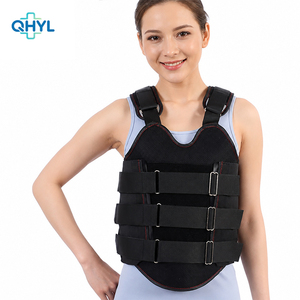
Adjustable Lumbar & Thoracolumbar Rehabilitation Brace

Posterior Titanium Alloy Nailing & Rod Fixation System

Comprehensive Surgical Pedicle Screw Instrument Set

5.5mm Minimally Invasive Polyaxial Spinal Fixation System

TLSO Pulley System Brace for Osteoporosis & Fracture

Shuangyang Series Posterior Thoracolumbar Fixation System
Biomechanical Integrity of China-Manufactured Thoracolumbar Fixation Systems
The thoracolumbar junction (T10–L2) represents a critical anatomical biomechanical transition zone between the relatively rigid thoracic spine, anchored by the rib cage, and the highly flexible lumbar spine. Spinal injuries occurring within this segment—caused primarily by high-energy trauma, severe compression, or osteoporotic degeneration—demand implant systems engineered with meticulous fatigue resistance, physiological stress distribution, and pull-out resistance. As a premier China-based original equipment manufacturer (OEM) and exporter, our facility leverages state-of-the-art metallurgical refinement and micro-machining technologies to supply global healthcare providers and Kazakh distributors with superior spinal implants.
1. Metallurgical Excellence: Titanium Alloy Grade 5 (Ti-6Al-4V ELI)
All load-bearing components of our thoracolumbar pedicle screw and rod systems are crafted exclusively from implant-grade Titanium Alloy (Ti-6Al-4V Extra Low Interstitial, ASTM F136 / ISO 5832-3). Compared to conventional stainless steel or commercial purity titanium, Ti-6Al-4V ELI exhibits:
- Optimized Young’s Modulus: At approximately 110 GPa, titanium’s modulus is significantly closer to human cortical bone (15–30 GPa) than stainless steel (210 GPa), drastically reducing the risk of stress shielding and adjacent segment degeneration.
- Superior Biocompatibility & Corrosion Resistance: A passive titanium dioxide oxide film forms spontaneously, protecting the implant against physiological fluid degradation and guaranteeing bio-inert behavior over extended operational lifespans.
- MRI & CT Artifact Reduction: Non-ferromagnetic properties allow clearer post-operative radiologic surveillance without severe image distortion under magnetic resonance imaging.
2. Advanced Pedicle Screw Thread Architecture & Locking Dynamics
Our posterior spinal fixation systems utilize dual-thread or differential pitch geometry. The distal portion features deep, sharp threads designed for cancellous bone engagement within the vertebral body, while the proximal section utilizes fine pitch threads to maximize cortical bone purchase at the pedicle walls. Key biomechanical enhancements include:
- Polyaxial Head Angulation: Up to 52 degrees of polyaxial motion facilitates effortless rod placement even across complex multi-segment anatomical deformities, minimizing the need for aggressive rod contouring.
- Negative Angle Locking Thread Design: Eliminates cross-threading risks during inner set screw installation while resisting outward expansion of the screw head tulip under high tightening torque.
- Cannulated MIS Configuration: 5.5mm and 6.0mm minimally invasive systems feature central lumens compatible with K-wire guidance, supporting percutaneous pedicle screw placement to preserve paraspinal musculature.
3. Dynamic Fatigue Testing under ASTM F1717 Protocols
Every batch of our thoracolumbar implants undergoes rigorous mechanical verification simulating extreme physiological conditions. Under ASTM F1717 standard test methods for spinal implant constructs in a vertebrectomy model, our systems consistently exceed 5,000,000 cyclic loading runs without yield failure, demonstrating exceptional durability against cyclic bending, torsional shearing, and pull-out stress.
Localized Application Scenarios Across Kazakhstan’s Healthcare Infrastructure
Tailored medical technologies designed to meet specific epidemiological demands, climatic conditions, and surgical requirements across the various oblasts of Kazakhstan.
Industrial & Mining Trauma in Karaganda & Temirtau
The heavy metallurgical industries and deep coal mining networks of Karaganda Region present a heightened frequency of high-energy axial compression and burst fractures (T11–L2). Our rigid posterior pedicle screw and rod systems provide immediate biomechanical column stabilization, allowing early mobilization for traumatized industrial personnel in specialized neuro-trauma centers.
Sub-Zero Winter Slip Fractures in Astana & Northern Oblasts
Extreme winter conditions in northern cities such as Astana, Kostanay, and Petropavlovsk result in sharp seasonal surges in geriatric fall trauma. Our Medical TLSO Pulley Brace System and moldable non-heating orthoses offer non-surgical stabilization for acute osteoporotic vertebral compression fractures (VCF), accommodating heavy winter attire while ensuring precise pressure relief.
Western Europe-Western China Transport Corridor Trauma
Major transit arteries connecting Almaty, Taraz, and Shymkent experience complex polytrauma stemming from high-velocity motor vehicle collisions. The 5.5mm Minimally Invasive Polyaxial System enables rapid percutaneous stabilization, cutting operating times and minimizing blood loss in emergency surgical departments across southern Kazakhstan.
EAEU Registration & SK-Pharmacy Procurement Alignment
Kazakhstan’s healthcare sector is undergoing active modernization driven by the Mandatory Social Health Insurance (MSHI / ОСМС) system and centralized state purchasing through SK-Pharmacy (СК-Фармация). As Kazakhstan transitions toward unified Eurasian Economic Union (EAEU) medical device registration guidelines under Decision No. 46, our regulatory compliance team provides distributors with comprehensive technical documentation dossiers.
We assist our regional Kazakh partners with detailed ISO 13485 test certificates, biological evaluation reports (ISO 10993), clinical evaluation documentation, and standardized Russian/Kazakh instruction manuals (IFUs) necessary for swift registration with the National Center for Expertise of Medicines and Medical Devices (NCEM).
Cross-Border Rail Freight via Khorgos Gateway
Leveraging China's direct geographical adjacency to Kazakhstan, our factory delivers unparalleled supply chain agility compared to European or North American suppliers. Key logistics advantages for Kazakh buyers include:
- Rapid Transport via Khorgos / Dostyk: Direct rail freight connections from our manufacturing hub reach Almaty within 7 to 10 days, bypassing lengthy maritime routes.
- Flexible Currency & Payment Options: Seamless financial transactions supported in RMB, USD, or EUR, alleviating foreign exchange friction for local importers.
- Sterile & Non-Sterile Packaging Options: Implants available in protective double-peel pouch cleanroom packaging, maintaining sterility across extreme temperature swings during transit across Central Asian steppes.
Why Global Importers & Kazakh Distributors Choose Our Factory
Operating through our advanced partner facility, Relife Ortho, we integrate world-class robotic automation, rigorous quality control, and decades of orthopedic expertise.
7,000 m² Modernized Facility
Equipped with Swiss-type 5-axis CNC automatic lathes (Tornos, Citizen) and high-precision vertical machining centers (VMC) capable of micron-level dimensional tolerances required for intricate pedicle screw geometries.
Strict Quality Control System
Full traceability from certified raw titanium bars to finished sterile packages. Instrumented with Zeiss Coordinate Measuring Machines (CMM), optical comparators, and surface roughness testers to ensure 100% compliance.
OEM / ODM White-Label Services
We provide custom laser branding, tailored instrument tray layouts, specific screw diameter/length adaptations, and custom box design to establish your private orthopedic brand identity in Central Asia.
Frequently Asked Questions by Kazakh Medical Importers
Clear answers regarding regulatory compliance, ordering procedures, shipping routes, and manufacturing capabilities.
Partner with China’s Leading Thoracolumbar Fixation Manufacturer
Expand your orthopedic product portfolio in Kazakhstan with ISO 13485 & CE certified spinal implants, competitive factory-direct pricing, and dedicated regulatory support. Speak directly with our export specialists today.