Featured Thoracolumbar Fixation Systems & Instruments
Explore ISO 13485 & CE certified spinal implants, pedicle screw systems, and orthotic braces directly engineered by leading OEM/ODM manufacturers in China.


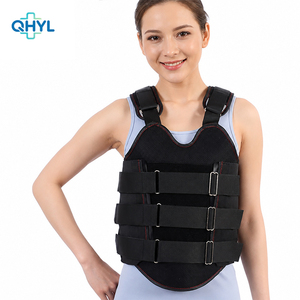


Biomechanical Engineering & Technical Architecture of Modern Thoracolumbar Systems
The thoracolumbar junction (T10–L2) represents a critical anatomical transition zone between the relatively rigid, rib-cage-supported thoracic spine and the highly mobile, lordotic lumbar spine. Fractures, degenerative disc disorders, tumor resections, and spinal deformities (such as scoliosis and kyphosis) within this segment subject orthopedic implants to complex torsional, bending, and axial compressive loads.
When selecting a qualified manufacturing factory in China, global orthopedic distributors and medical device procurement teams must evaluate the anatomical and metallurgical standards implemented in the production process.
1. Thread Design Dynamics & Screw Pull-Out Strength
The primary mechanism of spinal stability relies on the interface strength between pedicle screws and bone mineral density (BMD). Leading Chinese spinal manufacturers utilize modern 5-axis CNC machining center technologies to cut dual-lead and quad-lead thread profiles. Dual-thread designs double the insertion velocity without increasing shear stress on trabecular bone, reducing intraoperative surgical time significantly.
Polyaxial Angular Flexibility
Modern polyaxial pedicle screws feature spherical head geometry allowing up to ±28° to ±30° (56°–60° total cone) articulation. This reduces the mechanical necessity for aggressive in-situ rod contouring, minimizing notch stress points on 5.5mm or 6.0mm titanium rods.
Low-Profile Locking Mechanism
Reverse-buttress set screw threads prevent cross-threading while exerting up to 12 Nm of tightening torque. This ensures rigid friction-locking to eliminate rod slippage during cyclic flexion-extension activities post-surgery.
2. Metallurgical Selection: Ti-6Al-4V ELI vs. PEEK Options
Implants manufactured by premier Chinese factories adhere strictly to international biocompatibility metrics. The primary material used for spinal rods, hooks, cross-connectors, and pedicle screws is Titanium Alloy Grade 5 (Ti-6Al-4V ELI - Extra Low Interstitial), conforming to ASTM F136 and ISO 5832-3 standards. Ti-6Al-4V ELI offers superior yield strength (≥795 MPa) combined with lower elastic modulus compared to stainless steel, reducing stress shielding at adjacent spinal levels.
Technical Specifications & Engineering Benchmarks
To assist clinical engineering teams and procurement directors, the following table synthesizes the standardized technical parameters enforced across China's tier-1 spinal manufacturing facilities:
| System Parameter | Standard Pedicle Screw System | MIS Percutaneous System | TLSO Orthosis Support |
|---|---|---|---|
| Primary Material | Ti-6Al-4V ELI (ASTM F136) | Ti-6Al-4V ELI + Radiopaque Markers | Thermaplastic Polymer & Mesh |
| Screw Diameters | Ø4.5mm, Ø5.5mm, Ø6.5mm, Ø7.5mm | Ø5.5mm, Ø6.5mm, Ø7.5mm (Cannulated) | Universal / Adjustable Sizing |
| Screw Length Range | 25mm – 55mm (5mm increments) | 30mm – 55mm (Cannulated core) | Full Thoracolumbar Coverage |
| Rod Compatibility | Ø5.5mm / Ø6.0mm Titanium Rods | Ø5.5mm Pre-contoured MIS Rods | N/A (External Alignment) |
| Fatigue Resistance | 5 Million Cycles (ASTM F1717) | 5 Million Cycles (ASTM F1717) | High Durability Tension Cables |
| Regulatory Approvals | ISO 13485, CE (MDR), NMPA Class III | ISO 13485, CE, Free Sale Cert. | CE, ISO 9001, FDA Class I |
Global Purchasing Trends & Future Technology Roadmap
The global spinal implants market is undergoing a seismic shift. Purchasing managers and hospital networks are moving away from hyper-inflated traditional Western brands toward direct OEM/ODM contract partnerships with certified Chinese manufacturing hubs. The primary catalysts behind this global procurement trend include:
1. Accelerated Shift to MIS Surgery
Minimally invasive spinal surgeries (MISS) reduce tissue damage, lower blood loss, and shorten hospital stays. Chinese factories have rapidly integrated 3D optical projection measurement and percutaneous guide-wire cannulation tooling to mass-produce reliable MIS extension-sleeve screw systems at 40-60% lower costs than European equivalents.
2. Navigation & Robotic Compatibility
Computer-assisted orthopedic surgery (CAOS) requires extreme dimensional tolerance. Leading Chinese factories now manufacture pedicle screws featuring high-precision optical tracking array interface flats and radiopaque marker slots, allowing seamless integration with Medtronic StealthStation, Globus ExcelsiusGPS, and domestic navigation robots.
3. Strict UDI & Regulatory Compliance
With the implementation of the EU Medical Device Regulation (MDR 2017/745) and US FDA Unique Device Identification (UDI) system, top-tier Chinese manufacturers utilize automated high-speed laser marking systems to etch matrix codes on every single screw, plate, and rod for complete supply chain traceability.
Why Partner with Leading Chinese Orthopedic Manufacturers?
Modern Chinese spinal implant enterprises represent world-class manufacturing standards. Partnering with top-tier producers offers unparalleled strategic advantages for international buyers, healthcare groups, and brand distributors:
Modern 7,000+ m² Production & Cleanrooms
Equipped with high-precision DMG MORI 5-axis CNC machining centers, Citizen Swiss-type automatic lathes, and Class 100,000 ISO 7 cleanroom packaging facilities. Monthly production exceeds 100,000 precision orthopedic components with zero tolerance for mechanical deviation.
End-to-End Quality Management (ISO 13485)
Every production batch undergoes 100% optical dimension verification, coordinate measuring machine (CMM) inspection, tensile stress pull-out tests, and surface roughness micro-analysis to guarantee flawless intraoperative safety.
Global Export Footprint & Turnkey OEM/ODM
Exporting to over 50 countries across South America, the Middle East, Southeast Asia, and Europe. Dedicated engineering support provides full custom instrument container design, custom logo laser etching, and complete registration dossier assistance (STED format).
Competitive Factory Direct Pricing
By eliminating multiple tiers of intermediary brokers, global hospital procurement managers can reduce capital expenditure by up to 50% while maintaining identical or superior clinical performance metrics.
Frequently Asked Questions (FAQ) for Global Buyers
Expert technical and regulatory answers regarding the procurement of thoracolumbar fixation systems from Chinese manufacturers.
Request Complete Product Catalog & Wholesale OEM Pricing
Partner directly with China's leading ISO 13485 & CE certified thoracolumbar fixation manufacturers. Get instant access to CAD drawings, technical dossiers, and volume export quotations.