0%

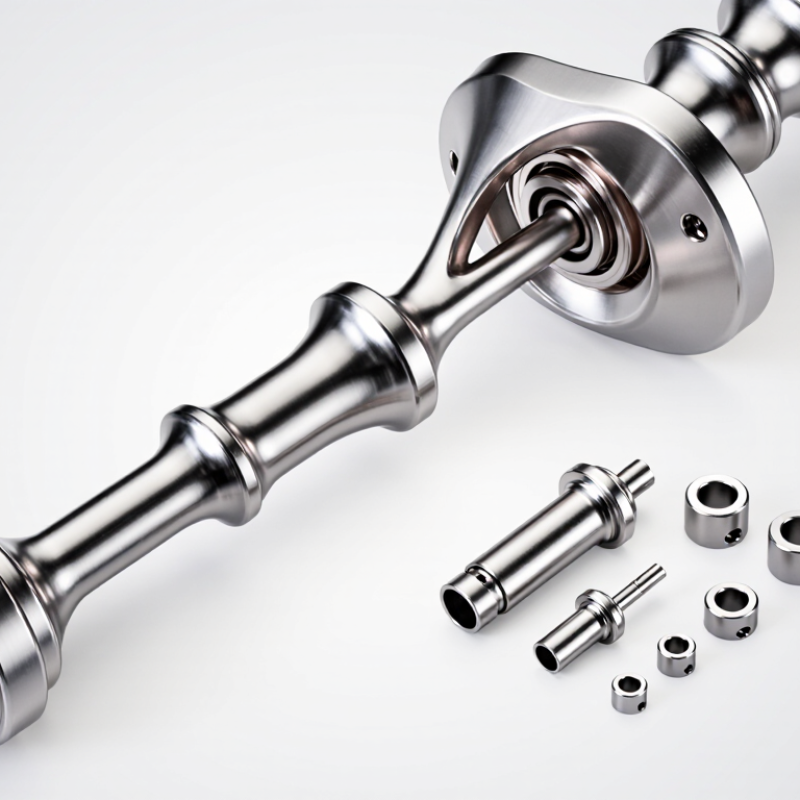
The Austin Moore Hip Prosthesis remains an important reference point in the history of hip replacement. Named for surgeon Austin T. Moore, it is a stemmed prosthesis associated with treatment of selected femoral-neck fractures. Its design is recognizable: a metal stem extends into the femur, while a rounded head articulates with the patient’s natural acetabulum. That image is useful when comparing suppliers, but appearance alone cannot establish clinical suitability.

This 2026 supplier overview considers practical purchasing questions: product documentation, material specifications, sizing options, manufacturing consistency, traceability, and access to technical support. These details matter in a real operating environment, where teams may check implant dimensions against imaging and confirm packaging before surgery. Availability and regulatory status can vary by country, so readers should verify current information directly with manufacturers and qualified healthcare professionals. A supplier ranking is a starting point, not a clinical recommendation.

No verifiable quotation from an Austin Moore Hip Prosthesis industry expert was provided for this introduction, so attributing a statement would risk misleading readers. As an editorial principle—not a quotation—Austin T. Moore’s legacy invites careful attention to both implant design and the evidence supporting its use. Even a polished list can miss local context. That deserves reflection.

Top 10 Austin Moore Hip Prosthesis Suppliers 2026

What Is the Austin Moore Hip Prosthesis?

What Is the Austin Moore Hip Prosthesis?

The Austin Moore hip prosthesis is a partial hip replacement used in hemiarthroplasty. It replaces the femoral head and neck while leaving the natural hip socket in place. The implant has a metal stem and a single-piece head. Its fenestrated stem includes openings that may allow bone to grow around it. No moving parts at the head-and-stem junction. That simpler design is one reason it remains familiar in discussions of fracture care.

Surgeons may consider this prosthesis for selected patients with a displaced fracture near the top of the femur. Suitability depends on factors such as bone quality, activity level, general health, and the condition of the hip socket. It is not automatically the right choice for every fracture. The operation, rehabilitation plan, and possible risks should be discussed with an orthopedic professional.

There are trade-offs. A partial replacement can leave the socket vulnerable to wear over time, and an uncemented stem may not suit every patient’s bone. Small details matter, including fit and surgical technique. The evidence and local practice can vary, so a device description alone cannot determine the best treatment. Some decisions are less tidy than a product list suggests.

How the Prosthesis Is Used in Hip Replacement

In hip replacement, an Austin Moore-type prosthesis is generally used for hemiarthroplasty, not total hip replacement. The surgeon removes the damaged femoral head and places a metal stem inside the thighbone. Its rounded head moves against the patient’s natural hip socket, which remains in place. That distinction matters.

The operation often treats a displaced femoral-neck fracture, especially when a shorter procedure is appropriate. After exposing the joint, the surgical team measures the bone and prepares the femoral canal. The stem is fitted into the canal; this traditional design is usually uncemented. Fit, bone quality, and the patient’s health all affect whether it is a suitable choice. A familiar implant is not automatically the right implant.

After surgery, staff monitor pain, wound healing, and safe movement. A therapist may help the patient stand and practice walking with a frame. Recovery takes time. The natural socket can wear over time, and risks include infection, dislocation, blood clots, or persistent pain. These outcomes vary, so patients should ask their orthopedic team about alternatives, fixation, and expected activity. Even a technically successful operation may not restore every previous ability. That uncertainty deserves an honest discussion.

Criteria for Comparing Austin Moore Prosthesis Suppliers in 2026

Comparing Austin Moore hip prosthesis suppliers in 2026 takes more than checking the quoted price. Confirm that each offer matches the required design, size range, material specifications, and intended clinical use. Product names can sound similar while dimensions or included components differ. Check the technical file and labeling, not just the sales sheet.

Look for clear batch identification, sterile packaging details where applicable, and instructions that clinicians can access before ordering. Ask for evidence that the supplier’s quality certificates are current and cover the relevant products. Verify applicable market authorization through reliable records. Small details matter: a missing size, unclear label, or delayed replacement can disrupt planning. Ask how stock levels and delivery estimates are updated.

Clinical teams should assess product suitability; supplier comparisons cannot replace that judgment. Request documented answers about complaints, returns, and technical support, then compare response times as well as prices. A spreadsheet helps, but it can hide awkward gaps. One supplier may provide polished documents yet offer little practical support. That is not a perfect measure. Recheck key claims against original certificates and product documents, and record any unanswered questions before procurement decisions.

Top 10 Austin Moore Hip Prosthesis Suppliers in 2026

The Top 10 Austin Moore Hip Prosthesis Suppliers in 2026 should be assessed on more than price and availability. Buyers can compare product dimensions, material documentation, sterilization details, and the clarity of each supplier’s technical records. A well-organized catalogue matters when a team needs to check stem sizes quickly. So does dependable communication.

Clinical suitability comes first. An Austin Moore prosthesis is not the right choice for every patient or fracture, and implant selection belongs with the treating orthopedic team. Procurement staff can still confirm that product specifications match hospital requirements and that documentation is current for their market. Ask about lot traceability, packaging integrity, storage guidance, and expected delivery times. Small details count.

A practical supplier review should also consider stock continuity and the process for handling damaged or delayed shipments. Request written answers, not just a sales call. Compare like with like. Rankings can be useful, but they may hide differences in service coverage or product range. I would treat any top-ten list as a starting point, not a clinical recommendation; supplier information can change, and a neat scorecard never captures every real-world constraint.

Supplier Verification, Product Standards, and Purchasing Considerations

Choosing an Austin Moore hip prosthesis supplier requires more than a polished catalog. Verify legal registration, manufacturing location, quality certificates, and current contact details. Ask for certificates matching the exact product and production site. A document from another facility proves little. Request lot traceability, sterilization records, shelf-life data, and instructions for use. Experienced buyers should also inspect complaint handling and recall procedures. These records show how a supplier behaves after the sale. Do not rely on website claims alone.

Product review should cover material grade, dimensions, surface finish, packaging integrity, and radiographic visibility. Compare specifications with applicable medical-device standards and local procurement rules. Independent test reports can support supplier claims, but their scope matters. Check test dates, sample identification, and laboratory competence. Packaging should arrive sealed, dry, and clearly labeled. A damaged box deserves quarantine, even when the implant looks untouched. Clinical teams should confirm fit, instrumentation, and training requirements before ordering. Small mismatches can delay surgery.

Pricing needs a wider view. Compare unit cost, minimum order quantities, delivery time, warranty terms, and replacement support. Clarify whether inventory is available or produced after purchase. Keep written records of approvals and supplier communications. A trial order may expose inconsistent labeling or slow responses. No checklist is perfect. A certificate once seemed convincing, but missing batch data changed the assessment. Recheck assumptions before signing a long contract.

FAQS

What should buyers compare when reviewing hip prosthesis suppliers?

Compare dimensions, materials, sterilization records, packaging, and delivery times. Check each product against hospital requirements. Price alone is not enough.

Why is clinical suitability important?

A hip prosthesis may not fit every patient or fracture. The treating orthopedic team must confirm suitability. Procurement teams should verify specifications and documentation.

Which supplier documents should buyers request?

Request legal registration, manufacturing details, quality certificates, and current contact information. Certificates should match the exact product and production site. Generic documents prove little.

What traceability details are important?

Ask for lot numbers, sterilization records, shelf-life data, and usage instructions. These details help investigate problems later. Keep written records.

How should packaging be inspected?

Packaging should arrive sealed, dry, labeled, and undamaged. Quarantine damaged boxes, even if the implant appears untouched. Small defects can create delays.

What should buyers check in independent test reports?

Review test dates, sample identification, laboratory competence, and report scope. A report may not cover every product variation. That point is easy to miss.

How can buyers evaluate supplier reliability?

Ask about stock continuity, delayed shipments, damaged goods, complaints, and recalls. Request written answers instead of relying on sales calls. Try a small order first.

What costs should be included in a purchasing comparison?

Compare unit price, minimum order quantities, delivery time, warranty terms, and replacement support. Confirm whether products are stocked or made after ordering. A low price can hide slow service.

Conclusion

This guide explains the Austin Moore Hip Prosthesis, a classic orthopedic implant designed to replace the femoral head and support hip reconstruction in selected clinical situations. It outlines how the prosthesis may be used during hip replacement, including key considerations such as patient anatomy, surgical technique, implant stability, and postoperative care. The article also introduces practical criteria for comparing the top 10 Austin Moore Hip Prosthesis suppliers in 2026, focusing on product quality, manufacturing consistency, documentation, supply reliability, technical support, and communication.

In addition, the guide presents supplier verification and purchasing considerations, including regulatory compliance, material specifications, sterilization records, traceability, packaging integrity, and quality management certification. Healthcare organizations should evaluate products through qualified professionals and follow applicable local requirements before placing an order. By combining clinical suitability, verified standards, transparent documentation, and dependable service, buyers can make more informed decisions when selecting an Austin Moore Hip Prosthesis supplier.

Ethan

Ethan

Ethan is a professional marketing specialist with a strong understanding of the company’s products, market position, and customer needs. Combining strategic insight with practical industry knowledge, he creates clear, informative content that helps readers better understand how the company’s......